Introduction
In our increasingly digital world, protecting sensitive data has never been more important. Cyber threats are evolving, and traditional security measures sometimes fall short. Fortunately, artificial intelligence is stepping up to the challenge. In this post, we’ll explore how AI is revolutionizing cybersecurity, highlight some of the top tools in the field, and discuss both the benefits and challenges of this new era in data protection.
1. Understanding AI in Cybersecurity
AI in cybersecurity means using intelligent algorithms to detect and respond to threats faster than traditional methods. Instead of relying solely on pre-programmed rules, AI-powered systems learn from data, recognize patterns, and can predict potential attacks before they happen.
- Threat Detection: AI systems continuously monitor network traffic and user behavior, spotting anomalies that could indicate a breach.
- Real-Time Response: When a potential threat is detected, AI can automatically trigger security protocols to neutralize the risk.
- Adaptive Learning: As cybercriminals develop new tactics, AI tools adapt and improve, keeping your defenses one step ahead.
2. Top AI Tools for Cybersecurity
Here are a few standout AI-powered tools that are making a significant impact in the cybersecurity space:
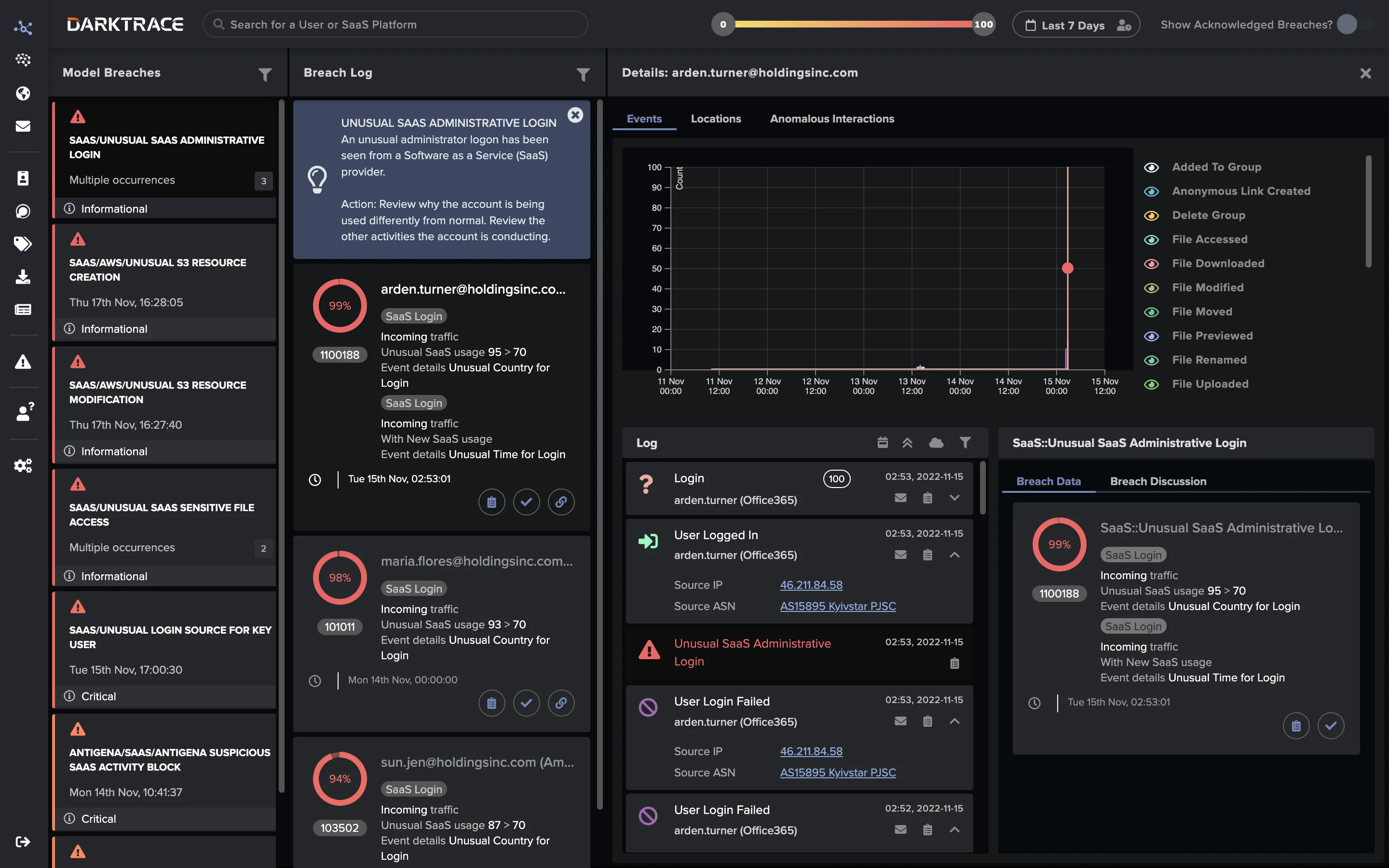
Darktrace
- What It Does: Darktrace uses machine learning to detect and respond to cyber threats in real time by modeling the behavior of every device on your network.
- Learn More: Darktrace AI Cybersecurity
Cylance
- What It Does: Cylance applies AI to predict and prevent cyberattacks before they occur by analyzing file behavior and stopping threats in their tracks.
- Learn More: Cylance by BlackBerry
Vectra AI
- What It Does: Vectra uses AI to detect hidden cyberattacks by continuously monitoring network traffic and identifying abnormal behavior patterns.
- Learn More: Vectra AI
3. Benefits and Limitations of AI in Cybersecurity
Benefits:
- Speed and Efficiency: AI systems work 24/7, instantly identifying and reacting to threats.
- Scalability: As networks grow, AI can manage more data without a drop in performance.
- Proactive Defense: Rather than waiting for an attack, AI predicts potential threats and mitigates risks before they become serious.
Limitations:
- False Positives: Sometimes AI tools flag normal behavior as suspicious, which can lead to unnecessary alerts.
- Complexity and Cost: Implementing and maintaining advanced AI systems can be challenging and expensive for some organizations.
- Human Oversight Still Required: AI is a powerful tool but not infallible. Expert human analysis is needed to interpret complex scenarios and make final decisions.
4. The Future of AI in Cybersecurity
Looking ahead, AI’s role in cybersecurity is only expected to grow. Here’s what the future might hold:
- Greater Integration: More organizations will integrate AI with existing security systems for a more robust defense.
- Improved Algorithms: As AI algorithms become even more sophisticated, they will reduce false positives and improve threat detection.
- Collaborative Defense: The future may see AI systems from different companies sharing threat intelligence, creating a united front against cybercrime.
Final Thoughts
Artificial intelligence is not just a buzzword—it’s a game changer in the field of cybersecurity. While challenges remain, the benefits of faster, smarter threat detection and response are undeniable. As cyber threats continue to evolve, embracing AI-driven security measures will be essential for protecting your data in this digital age.
💬 What do you think? Have you experienced the benefits of AI in your own digital security measures, or do you have concerns about its limitations? Let us know in the comments below!
Comments
Post a Comment